
Creating a powerful professional image involves more than simply opening a LinkedIn account and uploading your picture. A well-planned LinkedIn Coaching Program can help you improve your profile, connect with the right people, share valuable content, and create new career or business opportunities. Whether you are a job seeker, entrepreneur, freelancer, consultant, or business owner, learning how to use LinkedIn strategically can make your efforts more productive.
Under the mentorship of Malaika Noor | LinkedIn Growth & Client Acquisition, you can learn how you can enhance your personal branding and foster relationships. The goal is not simply to collect connections but to communicate your value, earn trust, and turn relevant conversations into real opportunities.

1. Understand Your LinkedIn Growth Goals
Before improving your profile or publishing content, decide what you want to achieve. Some professionals want better job opportunities, while others want to attract clients, build authority, or expand their professional network. Your goals will determine which LinkedIn activities deserve your attention.
A structured coaching plan helps you choose measurable targets instead of following every new trend. For example, you might aim to improve profile views, receive more relevant connection requests, start meaningful conversations, or generate qualified business inquiries.
Start by identifying these priorities:
- Define your ideal audience and professional niche.
- Set realistic weekly networking and content goals.
- Identify the skills or knowledge you need to improve.
- Track progress and adjust your approach regularly.
Clear goals give your LinkedIn growth strategy examples a practical purpose and make it easier to measure progress over time.
2. Improve Your Profile and Personal Brand
Your LinkedIn profile introduces you to people who may not know anything about your work. It should explain who you help, what you do, and why your experience matters. A coaching program can help you communicate these details without making your profile sound overly promotional.
Begin with a clear headline, a professional photograph, and an About section that reflects your strengths. Add relevant skills, achievements, and work samples so visitors can understand your expertise. Your profile should tell a consistent story instead of reading like a collection of unrelated job titles.
Use these improvements to strengthen your presence:
- Write a headline that communicates your professional value.
- Explain your experience using specific accomplishments.
- Add relevant projects, certifications, and portfolio examples.
- Keep your personal and professional information up to date.
You can use personal branding statement examples for inspiration when describing your professional identity. If you are unsure where to begin, a free LinkedIn profile audit tool option or a carefully written LinkedIn profile audit prompt can help you identify missing information and areas that need improvement.
3. Build a Content Strategy That Attracts People
Publishing useful content gives people a reason to remember you. However, posting every day without a clear direction may waste time and produce inconsistent results. A good coach helps you develop a repeatable approach based on your expertise and your audience's interests.
A practical LinkedIn content creation strategy should balance education, personal experience, professional insights, and conversation. You can clarify typical mistakes, give lessons learned from your experience, respond to commonly asked questions, or talk about changes in your field.
For example, a LinkedIn Coaching Program can help a business consultant share tips on customer retention, a job seeker discuss lessons from a project, or a freelancer explain how they solve common client problems.
Develop your content using these steps:
- Choose three or four topics connected to your expertise.
- Create a weekly publishing schedule.
- Use simple examples to explain complex ideas.
- Include questions at the end of posts where necessary.
- Review comments to discover future topics.
A practical LinkedIn content creation guide can help you plan your first posts. You can also collect LinkedIn content creation ideas from customer questions, industry discussions, personal experiences, and lessons learned through your work.
4. Learn LinkedIn Outreach Without Spamming
Growing your network is more effective when you focus on relevant relationships rather than sending hundreds of generic messages. A thoughtful outreach approach gives people a clear reason to connect and makes conversations feel more natural.
Learning what LinkedIn outreach is is a useful starting point. It involves contacting relevant professionals to establish relationships, explore shared interests, discuss business needs, or create potential opportunities. Outreach starts by researching and showing genuine interest rather than making an instant sell pitch.
Before contacting someone, review their role, recent posts, professional interests, and business background. Then write a short message that explains why you are reaching out.
A simple connection message might say:
“Hello, nice to read your post regarding customer engagement. I work on related projects and would be glad to connect and learn more about your perspective.”
Useful client outreach strategies include personalizing each message, respecting the recipient's time, and following up politely when appropriate. You can also explore LinkedIn outreach tools to organize prospects and manage conversations, while always respecting platform rules and privacy expectations.

5. Turn Professional Connections Into Clients
A larger network does not automatically produce more business. You need a clear process for understanding potential customers, identifying their needs, and explaining how your services can help. This is where LinkedIn coaching can support a more focused approach to Client Acquisition.
A reliable client acquisition system connects several activities: attracting the right audience, starting conversations, understanding customer problems, presenting relevant solutions, and maintaining relationships. Each step should help potential clients decide whether your services are appropriate for them.
Instead of trying to sell immediately, ask useful questions about a prospect's challenges and priorities. Listen carefully before suggesting a solution, and avoid promising results you cannot guarantee.
Here are a few practical client acquisition tactics:
- Identify companies which fit into your ideal client profile.
- Share content that answers their common questions.
- Start conversations based on relevant business needs.
- Explain your services in clear, straightforward language.
- Track inquiries, meetings, proposals, and conversions.
You can also develop lead magnet ideas, such as a useful checklist, short guide, assessment, or educational resource. These materials can help interested professionals understand a problem and discover whether your expertise is relevant to them.
6. Create a Strong Personal Brand Through Content
A professional brand grows when a LinkedIn Coaching Program helps you share useful information that reflects your knowledge and values. Instead of presenting yourself as an expert in everything, focus on subjects where you have genuine experience and can offer practical insights.
Your LinkedIn content writing should sound like a real person explaining something helpful. Use short paragraphs, familiar words, and specific examples. Avoid exaggerated claims, unnecessary jargon, and content that repeats popular advice without adding anything meaningful.
For example, rather than writing that networking is important, explain how you built a professional relationship by asking a thoughtful question or sharing a useful resource. Practical details make your content easier to understand and remember.
You can strengthen your brand by:
- Sharing lessons from real projects and experiences.
- Explaining how you approach common problems.
- Discussing industry questions with balanced opinions.
- Recognizing useful ideas shared by other professionals.
- Responding thoughtfully to comments and questions.
A clear personal branding statement for resume can also inspire the way you describe your strengths on LinkedIn. Keep your message consistent across your profile, posts, and professional conversations so people understand what you offer.
7. Develop Better Networking and Social Selling Skills
Networking works best when it creates mutual value. Instead of connecting only with people who might buy your services, build relationships with professionals who share your interests, understand your industry, or can exchange useful knowledge.
Exploring relevant business networking sites can help you discover communities, events, and professional discussions beyond your existing circle. LinkedIn itself provides opportunities to participate in industry conversations, follow relevant organizations, and engage with professionals in your field.
Another useful concept is the social selling definition: using professional relationships, relevant content, and informed conversations to build trust and support sales activities. Social selling is not about pressuring people to buy. It is about becoming a credible resource when a suitable need arises.
You can improve your networking habits by following these practices:
- Comment on posts with useful observations.
- Congratulate people on genuine professional achievements.
- Share resources that match someone's interests.
- Maintain relationships without asking for something every time.
- Offer helpful information before presenting a sales proposal.
LinkedIn also provides a LinkedIn Social Selling Index that eligible users can consult to understand aspects of their social selling activity. Treat such measurements as guidance rather than a complete assessment of your professional relationships.

8. Use Prospect Research to Find Better Opportunities
Effective prospect research through a LinkedIn Coaching Program helps you spend less time contacting unsuitable people. Before starting a conversation, identify the type of customer or professional who is most likely to benefit from your work.
This process is known as digital prospecting. It involves using online information and professional platforms to identify potential customers, understand their businesses, and find relevant reasons to connect.
For example, a consultant offering marketing services might focus on businesses that are actively improving their online presence. A recruitment professional could identify companies hiring for roles related to their specialization.
A simple prospecting process includes:
- Define your ideal customer by industry, role, and needs.
- Search for professionals who match those criteria.
- Review their public professional information.
- Record relevant details in an organized tracking system.
- Reach out only when you have a genuine reason to connect.
Good research improves message relevance and helps you avoid unnecessary outreach. It also makes follow-ups easier because you can refer to the original reason for contacting someone.
9. Improve Your Conversations and Follow-Ups
Not every LinkedIn conversation will lead to a business opportunity, and that is normal. Some people may be interested but not ready to act, while others may never need your services. Your job is to identify genuine interest without making people feel pressured.
A useful client outreach email template can help you organize your thoughts before sending a message. Keep the opening personal, explain the reason for contacting the recipient, and offer one relevant next step. The same principles apply to professional messages on LinkedIn.
For example, after an initial conversation, you might send a short message summarizing the problem the person mentioned and offering a resource that addresses it. If the person expresses interest, you can suggest a suitable next step, such as a discovery call.
You can also use lead nurturing email examples to understand how to maintain relationships over time. Helpful follow-ups might include an educational article, a practical suggestion, or an answer to a question raised earlier.
Avoid sending repeated messages when someone does not respond. Give them space, respect their preferences, and focus your attention on conversations where there is genuine interest.
10. Measure Progress and Refine Your Approach
A successful LinkedIn Coaching Program should help you understand which activities are producing meaningful results. Without tracking progress, it becomes difficult to know whether your profile improvements, content, and outreach efforts are working together.
Start with a few practical measurements. Monitor profile views, relevant connection growth, meaningful replies, conversations with potential clients, and opportunities generated. Compare results over several weeks instead of judging your entire strategy by one post or one message.
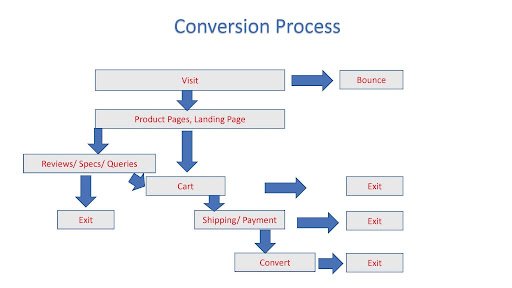
Also examine the lead conversion process. This means understanding how an interested person moves from discovering your work to starting a conversation and potentially becoming a customer.
Use your findings to make small improvements. If people view your profile but rarely contact you, clarify your headline or services. If your posts receive engagement but few relevant conversations, adjust your topics or calls to action.
Remember that meaningful growth takes time. A steady approach based on useful content, relevant networking, and thoughtful communication is usually more sustainable than chasing short-term attention.
FAQS
1. What is a LinkedIn Coaching Program?
A LinkedIn Coaching Program helps you improve your profile, create better content, and build professional connections. It can also teach you how to attract potential clients.
2. Who Should Join a LinkedIn Coaching Program?
Job seekers, freelancers, entrepreneurs, and business owners can benefit from a LinkedIn coaching Program. It helps them build their personal brand and reach the right audience.
3. How Can LinkedIn Coaching Help Grow My Business?
LinkedIn Coaching Program teaches you how to connect with potential customers and share useful content. These skills can help you build trust and find new business opportunities.
4. How Long Does It Take to See LinkedIn Growth?
Growth depends on your goals, content quality, and consistency. Regular networking and profile improvements can help you make steady progress over time.
5. How Do I Choose the Best LinkedIn Coach?
Choose a coach who understands your goals and offers practical guidance. Check their experience, coaching approach, and relevant client results before deciding.
Conclusion: Build a Stronger Professional Future
A well-designed LinkedIn Coaching Program can help you turn an ordinary profile into a stronger professional presence, develop meaningful connections, and create a more organized approach to business growth. By strengthening your personal brand, sharing useful content, researching prospects, and communicating thoughtfully, you can make LinkedIn a more valuable part of your professional development.
Start with one or two changes instead of trying to do everything at once. Update your profile, plan a useful post, or reach out to a relevant professional with a thoughtful message. With consistency, honest communication, and a clear strategy, you can build relationships that support your long-term career or business goals. Explore the guidance offered by Malaika Noor | LinkedIn Growth & Client Acquisition to identify practical ways to strengthen your LinkedIn presence and work toward sustainable growth.