Client outreach strategies work best when they are built on relevance rather than volume. You can contact hundreds of people and still receive very few replies if your approach feels generic, rushed, or overly focused on making a sale.
On the other hand, a thoughtful message sent to the right person at the right time can start a conversation that eventually becomes a valuable business relationship. That is why effective client outreach strategies focus on relevance, trust, timing, and genuine communication rather than volume alone.
Whether you are a consultant, coach, freelancer, agency owner, founder, or service provider, your outreach process should help you identify the right prospects, understand what they need, and communicate your value without making every conversation feel like a sales pitch. If you want expert help with this, you can explore how Malaika Noor helps businesses with LinkedIn lead generation.
This guide explains 10 practical client outreach strategies to improve your outreach and build a repeatable system for attracting better clients.
What Are Client Outreach Strategies?
Client outreach is the process of proactively contacting potential customers or clients who may benefit from your product, service, expertise, or solution. Instead of waiting for people to discover your business, outreach puts you directly in front of potential buyers.
Outreach can happen through several channels, including:
- Professional communities
- Business networking
- Direct messages
- Industry events
- Referrals
- Personal introductions
The goal is not always to close a client immediately. A successful outreach conversation may begin with a simple response, continue into a discovery call, and eventually develop into a business opportunity.
This is particularly important for B2B businesses, because decision-makers often need time to understand a provider before making a purchasing decision. Strong client outreach strategies therefore treat outreach as relationship building rather than a one-message sales transaction.
Why Client Outreach Strategies Matter for Business Growth
Even businesses with excellent services can struggle when the right people do not know they exist. You may have a great offer, an impressive portfolio, and years of experience, but none of that matters if your ideal prospects never hear from you.
Outreach helps solve this problem by creating direct opportunities to introduce your expertise. It can help you:
- Reach specific decision-makers
- Build professional relationships
- Generate qualified conversations
- Increase brand awareness
- Create sales opportunities
- Understand customer problems
- Build a reliable prospecting system
However, outreach becomes much more effective when it is targeted. Sending the same message to everyone may increase the number of messages you send, but it rarely improves the quality of your conversations. The better approach is to define who you want to work with and create communication around their needs.
1. Define Your Ideal Client Before Reaching Out
One of the biggest mistakes businesses make is starting outreach before defining their ideal client. If you try to target everyone, your message becomes too general and is less likely to connect with the right audience. Before sending your first message, ask yourself:
- Who benefits most from my service?
- What type of business do they operate?
- What problems are they experiencing?
- What position does the decision-maker hold?
- What goals are they trying to achieve?
- What makes them a good fit for my offer?
For example, a LinkedIn consultant may decide to target founders, coaches, consultants, and service businesses that depend on professional relationships to generate new opportunities. That audience is much easier to approach than simply targeting “business owners.” Your ideal client profile should be specific enough to guide your outreach decisions, and it makes personalization easier because you understand what your prospects are likely to care about.
2. Research the Prospect Before Sending a Message
Good outreach begins before you write the message. Spend a few minutes researching the person or company you are contacting. Look at their:
- Role
- Industry
- Recent posts
- Company updates
- Professional interests
- Business goals
- Possible challenges
- Recent achievements
LinkedIn can be particularly useful for this type of research because professional profiles often provide valuable context. You do not need to investigate every detail. The purpose of research is simply to understand whether the prospect is relevant and to find a genuine reason to start a conversation.
For example, if a consultant recently expanded their service offering, you might mention the development and ask about their growth plans. That feels much more natural than opening with a generic sales pitch.
3. Improve Your LinkedIn Profile Before Outreach
Your message may be excellent, but prospects often check your profile before responding. Your LinkedIn profile therefore becomes part of your outreach process. Think of your profile as a landing page for your personal brand. A potential client should quickly understand:
- Who you help
- What you help them achieve
- What makes your approach different
- What type of results you focus on
- How they can contact you
Your headline should communicate your value rather than simply listing your job title. Your About section should explain your expertise clearly and conversationally. Your experience section should focus on outcomes, responsibilities, and useful context rather than sounding like a traditional résumé. Include relevant proof where appropriate, such as:
- Client results
- Testimonials
- Case studies
- Projects
- Relevant experience
- Educational resources
When your profile supports your outreach message, prospects have more reasons to trust you. You can see how I approach this on my LinkedIn outreach and lead generation services page.
4. Personalize the Opening Message
Personalization is one of the most important parts of successful outreach. But personalization does not mean writing a 500-word message for every prospect. It means showing that you understand who you are contacting. A simple opening can mention something relevant from the person's work. For example:
“Hi Sarah, I noticed you recently started working with SaaS founders. Your post about building predictable client pipelines caught my attention.”
This is better than:
“Hi Sarah, I help businesses grow. Would you like to book a call?”
The first message creates context. The second immediately asks for something. Your opening should make the prospect comfortable enough to respond. Good personalization can be based on:
- A recent post
- A shared professional interest
- A company milestone
- A mutual connection
- An industry challenge
- A relevant achievement
The goal is not to impress the prospect with how much research you did. The goal is to create a natural reason for starting a conversation.
5. Focus on the Prospect's Problem
People are generally more interested in solving their problems than in hearing about your services. That means your outreach should focus on the prospect rather than your business. Instead of saying:
“I offer LinkedIn lead generation services.”
You could say:
“I work with service businesses that struggle to turn LinkedIn conversations into consistent sales opportunities.”
The second statement immediately gives the prospect something they can relate to. Effective outreach identifies a problem and creates curiosity about a possible solution. This does not mean you should exaggerate pain points. Avoid telling prospects that their business is failing or that they are making terrible decisions. Instead, use observations that encourage a conversation, for example:
“Many consultants build a strong LinkedIn presence but still struggle to turn engagement into qualified conversations.”
That creates an opportunity to discuss the problem without being aggressive. This principle should be present throughout your client outreach strategies.
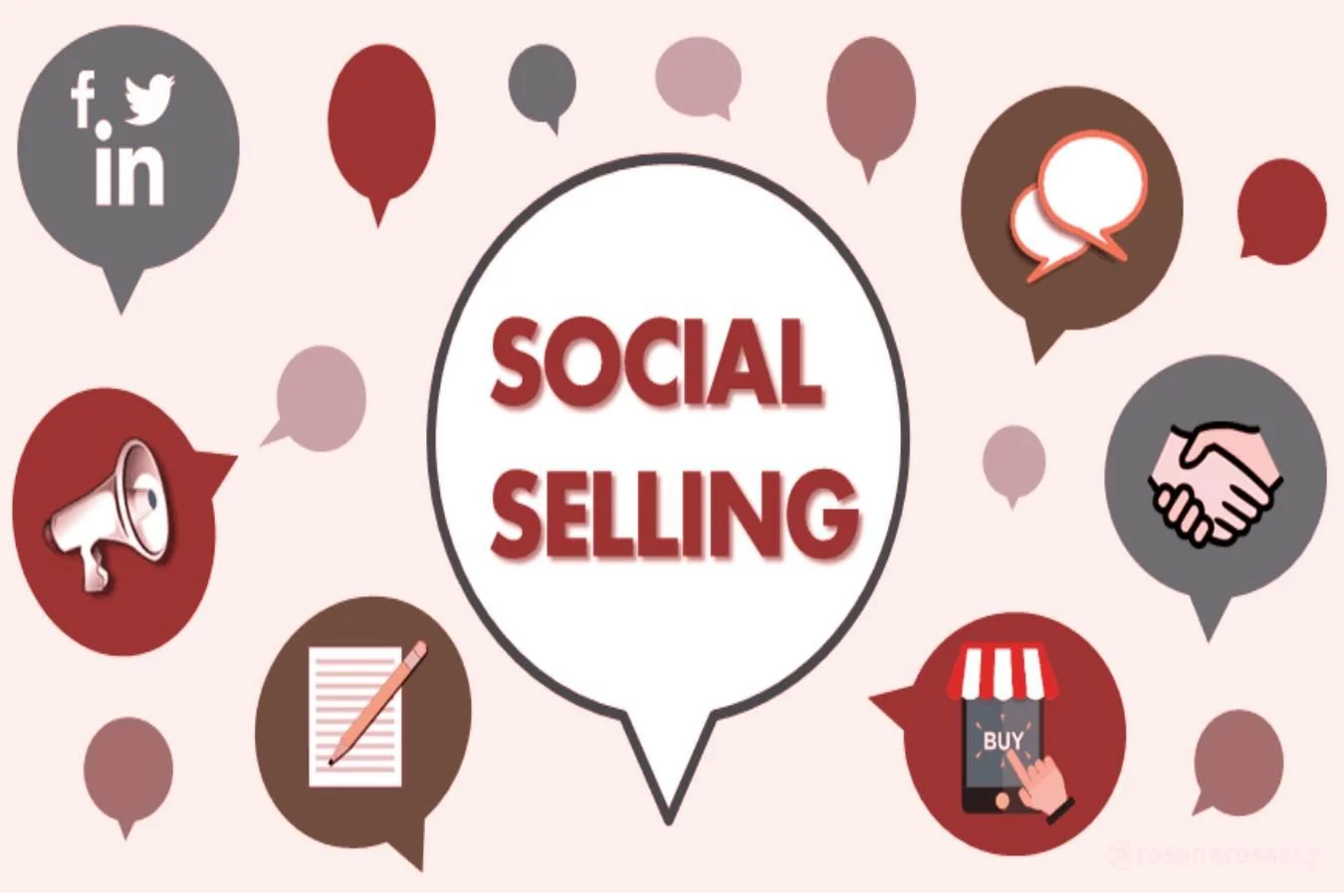
6. Use Social Selling Instead of Hard Selling
Modern outreach works better when it combines direct communication with relationship building. This is where social selling becomes useful. Social selling means using professional networks and valuable interactions to build trust with potential customers. Instead of contacting someone once and immediately asking them to buy, you can:
- Follow their content.
- Engage thoughtfully with relevant posts.
- Share useful insights.
- Start a genuine conversation.
- Identify a relevant problem.
- Offer a helpful next step.
The objective is to become familiar before asking for a business opportunity. LinkedIn is particularly useful for this, because prospects can often see your content, expertise, recommendations, and professional background before deciding whether they want to continue a conversation.
7. Use a Simple Sequence in Your Client Outreach Strategies
One message should not determine whether an outreach campaign succeeds. People are busy. A prospect may see your message and forget to respond, or they may be traveling, dealing with a deadline, or simply not ready to talk. A respectful follow-up sequence can improve your chances of receiving a response. A basic sequence could look like this:
- Message 1: Start the Conversation. Keep it short and relevant. Mention something specific about the prospect and create a simple reason to connect.
- Message 2: Follow Up With Value. If there is no response, wait several days and share something useful, such as an observation, resource, question, or practical suggestion.
- Message 3: Ask a Simple Question. Instead of repeating your offer, ask whether the challenge you mentioned is currently relevant to them.
- Message 4: Close the Loop. If there is still no response, send a polite final message.
“I’ll leave it here for now. If improving your client acquisition process becomes a priority, feel free to reach out.”
This keeps the relationship positive. The best client outreach strategies do not rely on pressure. They create multiple opportunities for a prospect to engage.

8. Make Your Outreach Messages Short
Long messages can overwhelm prospects. Remember that your first message has only one job: start a conversation. It does not need to explain your entire service. A useful structure is:
Observation + Relevance + Question
For example:
“Hi James, I saw your recent post about expanding your consulting practice. I work with consultants on building more consistent LinkedIn conversations. Are you currently using LinkedIn as part of your client acquisition process?”
This message is short, relevant, and easy to answer. You can provide more information after the prospect shows interest. Avoid putting your entire sales presentation into the first message.
9. Give Value Before Asking for the Sale
One of the strongest ways to build trust is to provide useful information before asking for a commitment. This does not mean giving away your entire service for free. It means showing that you understand the prospect's situation. For example, you might:
- Point out an opportunity on their profile
- Share a relevant resource
- Suggest a simple improvement
- Explain a common mistake
- Give a useful content idea
- Share an observation about their positioning
The value should be relevant. Do not send a generic PDF just because you have one. If you noticed that a consultant's LinkedIn profile does not clearly explain who they help, you might offer one practical suggestion. That small interaction can demonstrate expertise more effectively than a long sales pitch.
10. Track Your Outreach Results
You cannot improve what you do not measure. If you are sending outreach consistently, track the basic numbers.
| Metric | What It Tells You |
|---|---|
| Messages sent | Outreach volume |
| Response rate | Message relevance |
| Positive responses | Lead quality |
| Calls booked | Interest level |
| Qualified opportunities | Prospect fit |
| Clients won | Overall effectiveness |
You can also track which messages generate the strongest responses. For example, perhaps messages based on recent posts perform better than generic connection requests. Maybe a particular audience responds more often to questions than to direct offers. The data can help you improve your process. Do not judge your strategy based only on the number of messages sent. A campaign that sends 500 messages and produces two poor leads may be less valuable than one that sends 100 targeted messages and creates ten qualified conversations.
Building a Strong Client Acquisition System

Client outreach strategies should not exist separately from your overall marketing and sales process. They should be part of a wider client acquisition process. A simple system can include:
Targeting → Research → Outreach → Conversation → Qualification → Call → Proposal → Follow-up
Each stage has a purpose:
- Targeting: Identify the people who are most likely to benefit from your service.
- Research: Understand their business and current situation.
- Outreach: Start a relevant conversation.
- Conversation: Learn more about their goals and challenges.
- Qualification: Determine whether there is a genuine fit.
- Call: Explore the opportunity in more detail.
- Proposal: Present a solution that connects directly to their needs.
- Follow-up: Continue communication until the prospect makes a decision.
This structure prevents outreach from becoming random activity.
Cold Outreach vs Warm Outreach for Client Acquisition
Not every prospect is at the same stage, so your client outreach should change depending on how well they already know you. Understanding this difference makes your client acquisition strategies more effective.
- Cold outreach: You contact someone with no previous interaction. Keep the message short, relevant, and focused on a problem they may recognize.
- Warm outreach: The prospect has already seen your content, commented on a post, or shares a mutual connection. You can be more direct because some trust already exists.
The best approach is to warm up cold prospects before messaging them. Engage with their content, build familiarity, and then send a personalized message. This is how LinkedIn outreach feels natural instead of pushy.
Client Outreach Email Template
Email can still be an effective channel when the message is relevant and personalized. A simple client outreach email template can look like this:
Subject: Quick idea for [Company Name]
Hi [First Name],
I noticed [specific observation about their company or work].
I work with [type of client] to help them [specific outcome].
I had one idea that may help you improve [relevant problem].
Would you be open to a quick conversation about it?
Best,
Malaika
The template should not be copied word for word for every prospect. Replace the placeholders with information that genuinely relates to the recipient. The strongest email is usually the one that sounds like it was written specifically for that person.
Common Outreach Mistakes to Avoid
Even experienced professionals can make mistakes when building an outreach campaign. Here are some of the most common ones.
Sending the Same Message to Everyone
Generic messages are easy to ignore. If your message could be sent to 1,000 people without changing a single word, it probably needs more relevance.
Talking Too Much About Yourself
Your experience matters, but the prospect first wants to know whether you understand their needs. Keep the conversation balanced.
Asking for a Call Too Quickly
A meeting request can feel premature if there has been no meaningful interaction. Create some context first.
Following Up Too Aggressively
Following up is useful. Sending multiple messages every day is not. Respect the prospect's time and attention.
Targeting the Wrong People
A great message cannot fix poor targeting. If someone does not need your service, there is little reason to keep pursuing them.
Ignoring Your Profile
If your outreach says one thing but your profile says another, prospects may become uncertain. Make sure your online presence supports your positioning.
How to Make Outreach Feel More Human
People can recognize sales messages quickly. The easiest way to sound human is to stop trying to sound like a salesperson. Write the way you would speak to a professional person during a normal conversation. Use simple language, ask real questions, avoid unnecessary buzzwords, do not exaggerate your results, do not create fake urgency, and do not pretend to know something about the prospect when you do not.
Authenticity matters because trust is often the deciding factor in professional relationships. Your goal is not to convince everyone. Your goal is to find the people who genuinely need what you offer.
Combine Outreach With Content
Outbound outreach becomes stronger when prospects can also see your expertise through content. Imagine receiving a message from someone you have never heard of. You may check their profile. If you then find useful posts explaining the exact problems you are dealing with, your confidence in that person can increase. This is why content creation and outreach work so well together.
Your content can demonstrate:
- Expertise
- Experience
- Opinions
- Problem-solving ability
- Industry knowledge
- Client insights
You do not need to publish every day. Focus on useful topics your ideal clients actually care about. For example, if your audience consists of consultants, your content could discuss positioning, lead generation, professional networking, sales conversations, and LinkedIn growth. The combination of helpful content and personalized outreach can create a much stronger professional presence.
Business Networking Can Strengthen Outreach
Online outreach does not have to happen entirely through direct messages. Business networking can create valuable opportunities for conversations and referrals. You can participate in:
- Industry events
- Professional communities
- Online groups
- Workshops
- Conferences
- Networking sessions

The same principles still apply. Do not enter every networking environment to sell immediately. Meet people, learn what they do, ask questions, share useful ideas, and follow up after the interaction. A simple follow-up message after an event can turn a brief introduction into a long-term professional relationship.
Use Qualification to Protect Your Time
Not every interested prospect is a good client. Before investing significant time in a sales process, determine whether the prospect is a suitable fit. You can consider:
- Their actual need
- Their goals
- Their budget
- Their timeline
- Their decision-making authority
- Whether your service can genuinely help
Qualification protects both sides. You avoid spending hours on opportunities that are unlikely to move forward, while prospects avoid being pushed toward a service they do not need. Good client outreach strategies are not designed to generate conversations with everyone. They are designed to generate the right conversations.
A Practical Weekly Outreach Routine
Consistency is often more important than occasional bursts of activity. Here is a simple weekly routine you can adapt.
- Monday: Research. Identify a list of relevant prospects and research their businesses.
- Tuesday: Connect. Send personalized connection requests or introductory messages.
- Wednesday: Engage. Interact with relevant posts and publish useful content.
- Thursday: Follow Up. Follow up with prospects who previously engaged with your messages.
- Friday: Review. Look at your numbers and identify what worked.
Ask yourself:
- Which audience responded best?
- Which message performed best?
- Which topics generated conversations?
- Which prospects were most qualified?
- Where did people stop responding?
Use the answers to keep refining your client outreach strategies every week.