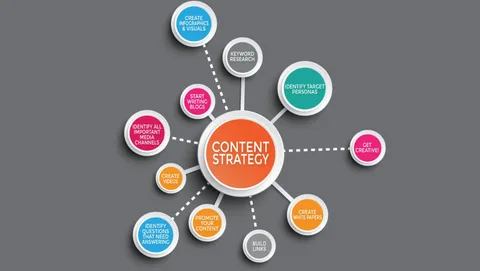
The right content strategy courses can help you plan, create, publish, and improve content that attracts the right audience. Many businesses publish blogs, social media posts, and website pages but struggle to turn their efforts into meaningful results. A clear content strategy solves this problem by connecting every piece of content to a specific business goal.
Content strategy is not just about writing articles or posting regularly on LinkedIn. It includes audience research, keyword planning, content creation, distribution, performance tracking, and continuous improvement.
In this guide, we will explore eight types of courses and learning paths that can help you develop practical content strategy skills. You will also learn how to choose suitable training, apply your knowledge to real projects, and build a content plan that supports long-term growth.
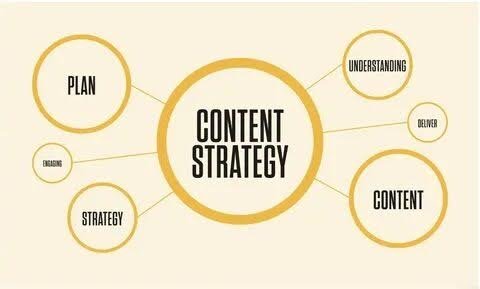
1. Content Marketing Fundamentals
Content marketing fundamentals provide a useful starting point for anyone who wants to understand how content supports a business. These lessons explain how to identify an audience, select useful topics, create valuable resources, and connect content with customer needs.
A good beginner course introduces the customer journey and explains how different content formats serve different purposes. Learning these differences makes it easier to plan content with a clear purpose.
When choosing a course, look for lessons covering:
- Audience research and customer needs.
- Content goals and marketing objectives.
- Topic selection and editorial planning.
- Content distribution and performance measurement.
- Ways to improve content over time.
2. SEO and Content Planning
Search engine optimization is an important part of a successful content plan. SEO training helps you understand what people search for, how they phrase their questions, and what information they expect to find. It also teaches you how to organize website content so readers and search engines can understand its purpose.
A useful course should cover content strategy template development, keyword research, search intent, internal linking, title optimization, and content structure. You should also learn how to create topic clusters, connect related articles, and identify gaps in existing website content. These skills are especially valuable when planning content for service-based businesses.
3. Social Media Content Strategy
Social media content strategy focuses on creating and sharing material that fits a particular audience and platform. Instead of posting whenever you have an idea, you learn how to establish content themes, maintain a consistent publishing schedule, and evaluate audience responses. This approach makes content creation more organized and purposeful.
For professionals who want to grow their networks, LinkedIn content creation strategy is particularly useful. It helps them develop relevant posts, share experience, answer audience questions, and build credibility around a specific subject.
You can practice these skills by preparing a weekly content calendar. Assign a purpose to each post, identify the intended audience, and decide how you will measure its performance. Over time, these small improvements can make your publishing process more consistent.
4. LinkedIn Content Creation and Growth
LinkedIn can support professional visibility, business networking, and client acquisition when content addresses the needs of a clearly defined audience. A suitable course teaches you how to choose topics, write useful posts, communicate your expertise, and encourage meaningful discussions. It should also explain how your profile and content work together to create a consistent professional identity.
A focused LinkedIn content creation guide should cover several important areas:
- Understanding the audience you want to reach.
- Selecting useful topics based on audience questions.
- Writing clear openings that encourage people to continue reading.
- Sharing practical examples instead of making broad claims.
- Using relevant calls to action without making every post promotional.
- Reviewing engagement to identify topics worth exploring further.
For additional practical guidance, visit Malaika Noor | LinkedIn Growth & Client Acquisition. The website can serve as a relevant resource for readers interested in connecting content, professional visibility, and client acquisition.
5. Audience Research and Content Ideas
Effective content starts with understanding the people you want to reach. Audience research helps you discover their questions, challenges, priorities, and decision-making process. Without this information, even well-written content may fail to connect with the people who need it.
A good course should teach you how to collect information from customer conversations, sales questions, search results, online discussions, and website analytics. You can use these insights to develop topics that answer genuine questions rather than relying only on personal assumptions.
This process also supports content strategy case study development. You can document a real problem, explain the content decisions you made, and evaluate the results. Case studies provide useful examples of how research can inform content planning.
6. Content Calendars and Publishing Workflows
A content calendar helps you organize ideas, deadlines, publishing dates, and responsibilities in one place. It reduces last-minute planning and makes it easier to maintain a consistent publishing routine. Courses covering editorial management can help you build a workflow that works for both individual creators and larger teams.
A practical content publishing calendar might include the following details:
- Content title and primary topic.
- Target audience and search intent.
- Content format and publishing platform.
- Draft and publication deadlines.
- Person responsible for each task.
- Performance indicators and review dates.
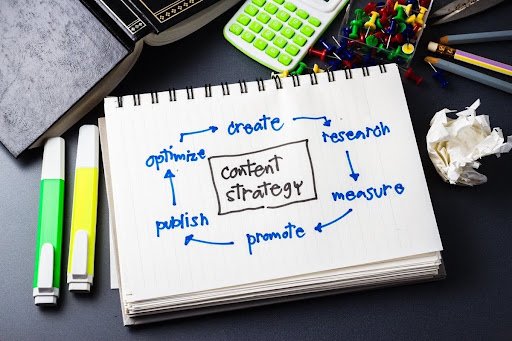
You should also understand how content publishing workflow planning keeps projects moving from one stage to the next. For example, a blog post might move from keyword research to outlining, writing, editing, publication, and performance review.
Start with a manageable schedule instead of planning more content than you can produce. Consistency and quality are generally more useful than creating an unrealistic calendar that becomes difficult to maintain.

7. Content Writing and Storytelling
Content writing training helps you communicate ideas in a way that readers can understand and use. A strong writer does not simply fill a page with information. They organize ideas logically, explain unfamiliar concepts, provide relevant examples, and help readers understand what to do next.
A useful content strategy certification program may include assignments that allow you to demonstrate these skills. However, a certificate alone does not prove that you can create effective content. Your portfolio should show how you research topics, structure information, adapt your tone, and address audience needs.
8. Analytics and Content Performance
Content analytics helps you understand whether your work is achieving its intended purpose. Publishing an article or social media post is only one stage of the process. You also need to review how people interact with it and whether it contributes to your goals.
Use analytics to guide decisions rather than making changes based on one result. Review performance over a suitable period, consider seasonal differences, and compare related content where possible.
A simple monthly review can include:
- Content that attracts relevant visitors.
- Topics that generate meaningful engagement.
- Pages that need updating or clearer explanations.
- Content that contributes to enquiries or sales.
- New questions that deserve their own articles.
These habits help turn content planning into an ongoing improvement process.
How to Choose the Right Course
Not every course will match your goals, current knowledge, or available time. Before enrolling, decide which skills you need most and how you intend to use them. A beginner may benefit from broad marketing fundamentals, while an experienced writer may need more advanced training in analytics, content operations, or audience research.
Start by checking the course outline. Make sure the lessons cover the topics you want to learn, and look for practical assignments that help you apply the concepts. A course that includes planning exercises, writing tasks, or performance analysis may provide more immediate value than one that offers only general explanations.
Consider these factors before making a decision:
- Learning objectives: Does the course explain what you will be able to do?
- Practical exercises: Can you use the lessons in a real project?
- Course format: Can you study at a convenient pace?
- Cost: Does the price fit your budget?
- Updated material: Does the training reflect current practices?
- Portfolio value: Can you create work that demonstrates your skills?
Free Learning and Certification Options
You do not always need to spend money to begin learning content strategy. Free educational resources, articles, tutorials, and practical projects can help you understand the basics before you commit to a paid program. The key is to follow a structured plan instead of jumping between unrelated resources.
Search for free content strategy course resources that include clear learning objectives, examples, and exercises. Review the syllabus before starting, and check whether a certificate is included or whether the resource is simply educational material. Free access does not always mean that certification is free.
If formal recognition matters for your career, compare the assessment requirements and the skills covered by different programs. A content strategy certification may help demonstrate that you completed a particular course, but employers and clients may also want to see examples of your work.
Building a Practical Content Strategy
After completing a course, the next step is to turn what you learned into a repeatable process. A practical strategy connects audience needs with business objectives and provides a clear plan for creating, distributing, and evaluating content.
Next, identify the audience and research the questions they ask. Use your findings to develop topic ideas, group related subjects, and decide which content formats are most suitable. A detailed article may be appropriate for a complex topic, while a short LinkedIn post may work well for sharing a quick lesson.
Common Mistakes to Avoid
One common mistake is publishing content without a clear purpose. A post may sound interesting, but if it does not address audience needs or support a relevant objective, it may have limited value. Before writing, ask who the content is for, what question it answers, and what the reader should understand afterward.
Another mistake is focusing entirely on keywords. Search terms help you understand demand, but repeating a phrase excessively makes content difficult to read. Use relevant keywords naturally and prioritize clear explanations, useful examples, and a logical structure.
Finally, do not ignore older content. Updating inaccurate information, adding useful examples, improving internal links, and addressing unanswered questions can make existing resources more helpful. A strong strategy considers both new content and opportunities to improve what already exists.
Career Opportunities After Learning
Content strategy courses and skills can support several career paths, depending on your experience and the type of work you enjoy. Businesses need people who can research audiences, plan editorial projects, communicate clearly, and measure content performance. These abilities can be useful in marketing teams, agencies, consulting, and freelance work.
You can also connect content skills with client acquisition. Helpful content can demonstrate expertise before a prospect contacts you, while relevant calls to action can encourage the next step. For more guidance on professional visibility and attracting clients, explore Malaika Noor | LinkedIn Growth & Client Acquisition.