Your Social Selling Index (SSI) can help you understand how effectively you use LinkedIn to build professional relationships, establish credibility, and find potential customers. If you want to improve your LinkedIn presence, attract relevant prospects, and grow your business, understanding this score is a useful starting point. However, the real goal is not simply to achieve a high score. It is to build meaningful connections that lead to valuable business opportunities.
In 2026, professionals need more than a polished profile to stand out on LinkedIn. They need a clear message, useful content, genuine conversations, and a consistent approach to networking. Whether you are a freelancer, business owner, consultant, or sales professional, these seven practical strategies can help you improve your LinkedIn activity and create a stronger foundation for long-term growth.

1. Understand Your Social Selling Index
The Social Selling Index is a LinkedIn measurement that evaluates how effectively you use the platform for social selling. It focuses on four areas: establishing your professional brand, finding the right people, engaging with insights, and building relationships. Each area contributes to a better understanding of your professional networking activities.
Your LinkedIn social selling index score can help you identify areas that deserve more attention. Instead of focusing entirely on the number, review your profile, connections, content, and conversations to understand where you can improve.
What Does Your SSI Score Measure?
The four main components of the score are:
- Establishing your professional brand: Create a complete profile that communicates your expertise and value.
- Finding the right people: Connect with relevant prospects, decision-makers, and industry professionals.
- Engaging with insights: Share useful information and participate in meaningful discussions.
- Building relationships: Develop trust through genuine conversations and consistent networking.
These areas work together. A strong profile attracts attention, useful content encourages engagement, and relevant conversations help turn connections into professional relationships.
2. Improve Your LinkedIn Profile
Your profile often creates the first impression when someone discovers you through a search, comment, or connection request. A clear headline, professional photograph, informative About section, and relevant experience can help visitors understand what you do and whom you help.
Good LinkedIn profile optimization begins with your audience. Explain the problems you solve, the services you offer, and the results clients can expect. Add relevant skills, describe your experience honestly, and include a simple call to action where appropriate.
Make Every Profile Section Useful
Use these steps to improve your profile:
- Write a headline that communicates your expertise and audience.
- Create an About section that explains your value in simple language.
- Add relevant LinkedIn experience section examples to guide your descriptions.
- Include achievements, projects, and measurable results when available.
- Keep your contact details and professional information current.
For example, instead of writing “Marketing Professional,” you could use “B2B Marketing Consultant Helping Small Businesses Generate Qualified Leads.” The second headline gives visitors a clearer idea of your work and target audience.
You can also use a LinkedIn profile audit tool free of charge, when available, or follow a structured checklist to identify missing details. Review your profile regularly to ensure it reflects your current goals and services.
3. Find the Right Prospects on LinkedIn
Building a large network does not automatically improve your business results. Connecting with people who match your ideal customer profile is usually more valuable than sending requests to random users. Start by identifying your target industries, job titles, company sizes, business challenges, and decision-makers.
Effective digital prospecting involves researching potential customers before reaching out. Read their profiles, review their recent posts, and look for relevant business developments. This preparation helps you understand whether a person is a suitable connection and gives you a natural reason to start a conversation.
Create a Clear Prospecting Routine
A simple prospecting routine can include:
- Identify 10–15 relevant professionals each working day.
- Review their responsibilities, interests, and recent activity.
- Send personalized connection requests where appropriate.
- Follow useful discussions in your industry.
- Organize prospects according to their needs and potential fit.
These numbers are starting points, not strict rules. Adjust your routine according to your available time and the quality of your research.
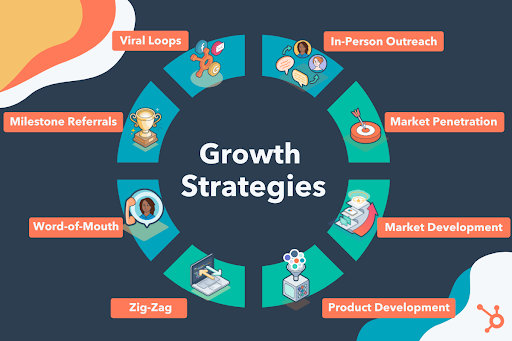
You can also explore LinkedIn growth strategy examples to learn how professionals combine audience research, useful content, and relationship building. Adapt these ideas to your own industry instead of copying another person's approach.
4. Share Valuable LinkedIn Content
Content helps people understand your expertise before they contact you. Instead of publishing promotional messages every day, focus on answering common questions, sharing practical lessons, and explaining problems your audience faces. Useful content gives people a reason to follow your profile and join your professional network.
A consistent LinkedIn content creation strategy should reflect your audience's needs and your business objectives. Choose a few relevant topics, such as industry challenges, practical tutorials, customer questions, and lessons learned from projects. Write in a natural voice and make every post easy to understand.
Content Ideas That Encourage Engagement
Try publishing content such as:
- Short guides that solve a common professional problem.
- Lessons learned from a project or business experience.
- Industry observations supported by relevant examples.
- Answers to frequently asked customer questions.
- Case studies that explain a challenge and its solution.
- Questions that encourage thoughtful discussion.
For example, a consultant could publish a post explaining three mistakes businesses make when generating leads. A freelancer might share a lesson about managing client expectations. Both examples offer value without relying on aggressive promotion.
You can also use LinkedIn content creation ideas to plan a balanced publishing schedule. Review which topics attract relevant conversations, then create more content around the subjects your audience finds useful.
5. Build Relationships Through LinkedIn Outreach
Social selling indexworks best when communication feels personal and relevant. Sending the same sales pitch to hundreds of people can damage trust and make your messages easy to ignore. Instead, take time to understand the recipient and explain why you want to connect.
A practical LinkedIn outreach approach begins with a genuine reason for contacting someone. You might mention a post they shared, a professional topic you both follow, or a challenge relevant to their role. Keep your first message short and avoid asking for a sale before establishing a connection.
Write Messages That Start Conversations
Use these guidelines when contacting prospects:
- Personalize your opening sentence.
- Explain why the connection is relevant.
- Ask one simple, thoughtful question when appropriate.
- Avoid exaggerated promises and pushy sales language.
- Respect the recipient's time and preferences.
- Follow up politely without sending repeated unwanted messages.
For example, you could write:
“Hi Sarah, I enjoyed your recent post about customer retention. I work with businesses on lead generation and would be glad to connect and exchange ideas.”
This message opens a conversation without immediately demanding a meeting. If the person responds positively, continue discussing their interests before introducing a relevant service.
A reliable client acquisition system combines prospect research, personalized communication, follow-ups, and a clear process for managing interested contacts. The goal is to create useful professional relationships rather than treating every connection as an immediate sale.
6. Use Networking to Strengthen Your SSI
Networking is more than adding new connections. It involves staying visible, contributing useful ideas, and building relationships over time. When you regularly interact with professionals in your industry, you create opportunities to learn, collaborate, exchange referrals, and discover potential clients.
Effective business networking starts with relevance and consistency. Follow people whose work interests you, participate in conversations where you can contribute, and congratulate professionals on meaningful achievements. Avoid leaving generic comments on every post simply to increase activity.
Make Your Daily LinkedIn Activity Count
Consider including these activities in your routine:
- Comment thoughtfully on relevant industry posts.
- Respond to comments on your own content.
- Congratulate connections on genuine professional milestones.
- Share useful resources with people who may benefit from them.
- Reconnect with existing contacts when you have a relevant reason.
These small actions help you remain active without spending the entire day on LinkedIn. Quality matters more than the number of comments or connection requests you send.
Your personal branding also becomes stronger when your profile, posts, and conversations communicate a consistent message. Choose a few subjects that reflect your expertise and contribute useful information about them. Over time, people may begin associating your name with those topics.

7. Track Your Progress and Improve Your Strategy
Improving your social selling performance requires regular review. A single score cannot tell you whether your networking activities are generating qualified leads, meaningful conversations, or business opportunities. Track your progress alongside practical indicators that reflect your goals.
Review your LinkedIn social selling score periodically, where the relevant SSI measurement is available to you. Compare changes over time, but remember that a higher score does not guarantee more sales. Your audience, industry, offer, and communication quality all influence business results.
Metrics Worth Tracking
Pay attention to these indicators:
- Profile views from relevant professionals.
- Connection acceptance rates.
- Replies to personalized outreach messages.
- Meaningful comments and conversations.
- Qualified leads generated through LinkedIn.
- Meetings booked and opportunities created.
- Conversions that result in actual business.
For example, if your profile receives views but few prospects contact you, your headline or service description may need improvement. If your connection requests receive little engagement, review your targeting and personalization.
A structured lead nurturing process can help you maintain relationships with people who are interested but not ready to buy. Share relevant resources, answer questions, and follow up when you have something useful to contribute. Let the prospect's needs guide the conversation instead of pushing for an immediate decision.
Common Mistakes That Can Limit Your Progress
Even an active LinkedIn user can struggle to build meaningful relationships when their approach lacks direction. Avoid treating the platform as a place to publish constant advertisements or send unsolicited sales messages. People are more likely to engage when they see relevance, professionalism, and genuine interest.
Another common mistake is focusing exclusively on your score. The social selling meaning goes beyond a numerical measurement: it involves using professional networks to understand customer needs, share relevant insights, and develop trust before a potential transaction.
Keep these mistakes in mind:
- Sending identical messages to every prospect.
- Publishing content without considering the target audience.
- Connecting with people who have no relevant professional fit.
- Making unsupported claims about your experience or results.
- Ignoring replies and existing professional relationships.
- Measuring success only through followers or SSI points.
A better approach combines useful content, careful prospect selection, thoughtful conversations, and regular performance reviews. This creates a sustainable process that supports both professional visibility and business development.
Frequently Asked Questions
What Is the Social Selling Index?
The Social Selling Index is a LinkedIn measurement of how effectively you use the platform to establish your brand, find relevant people, engage with insights, and build relationships.
How Can I Check My LinkedIn SSI Score?
Look for LinkedIn's official Social Selling Index page or dashboard and sign in with your account. Availability and access to particular features may change over time.
What Is a Good Social Selling Index Score?
There is no single score that guarantees success. Use your score as a benchmark, compare your progress over time, and focus on meaningful professional engagement.
How Often Should I Check My SSI?
Review your score periodically, such as once a week or once a month. Spend more time improving your profile and relationships than checking the number every day.
Can SSI Help Me Generate Leads?
It can help you assess your LinkedIn habits, but the score itself does not generate leads. Relevant content, targeted outreach, and genuine conversations are important for attracting potential customers.
Conclusion
Improving your Social Selling Index starts with building a professional presence that people can trust. Optimize your profile, research relevant prospects, share useful content, personalize your outreach, and invest time in genuine networking. These actions can help you develop stronger relationships and create more opportunities through LinkedIn.
Remember that sustainable LinkedIn growth takes consistency and patience. Instead of chasing a perfect score, focus on understanding your audience, communicating your value, and helping people solve real problems. With a clear strategy and regular performance reviews, you can make your LinkedIn activity more purposeful and support long-term client acquisition in 2026.